Why should we celebrate Science Day?
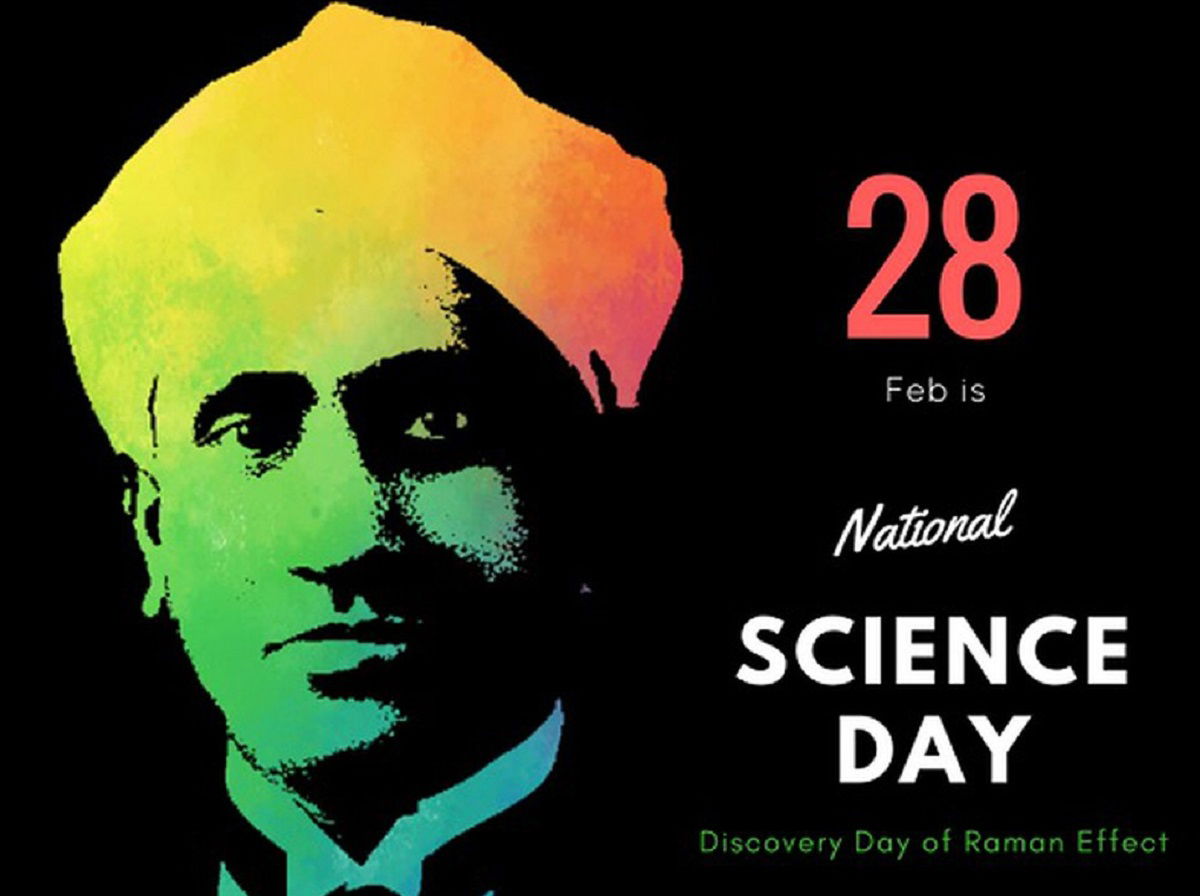
National Science Day is celebrated every year in India on February 28th. It is an important day that commemorates the discovery of the Raman Effect, which was made by the Indian physicist Sir Chandrasekhara Venkata Raman in 1928. This day is celebrated to recognize the importance of science and its contribution to human development and to encourage scientific temper among the people.
The Raman Effect is a phenomenon in which a beam of light passing through a transparent material is scattered by the molecules in the material, causing it to change its frequency and color. This discovery was a major breakthrough in the field of physics and earned Sir C.V. Raman the Nobel Prize in Physics in 1930.
National Science Day was first celebrated in India in 1987. The aim was to spread awareness about the importance of science and its role in our daily lives. The theme for National Science Day changes every year and is chosen by the Ministry of Science and Technology. The theme for 2021 was "Future of STI: Impacts on Education, Skills, and Work."
On this day, various events and activities are organized by educational institutions, research institutes, and government organizations across the country to promote scientific awareness among people. Some of these events include exhibitions, science fairs, workshops, seminars, and quizzes.
One of the highlights of National Science Day is the National Science Congress, which is held annually. The Congress brings together scientists, researchers, and experts from various fields to discuss and present their latest research findings and discoveries. The Congress provides a platform for scientists to network and collaborate with their peers, share their knowledge and ideas, and explore new avenues for research.
IMPORTANCE OF NATIONAL SCIENCE DAY
National Science Day is not only a celebration of scientific achievements but also a reminder of the challenges that lie ahead. It highlights the need for continued investment in scientific research and development to address the complex problems facing society today. The day also encourages young people to pursue careers in science and technology and to contribute to the advancement of knowledge and human progress.
India has a rich tradition of scientific achievement, dating back to ancient times. The contributions of Indian scientists and scholars in fields such as mathematics, astronomy, medicine, and metallurgy are well documented. National Science Day is an opportunity to celebrate this legacy and to inspire the next generation of scientists to build on this tradition.
In recent years, India has made significant strides in the field of science and technology. The country is home to world-class research institutions, such as the Indian Institutes of Technology, the Indian Institutes of Science Education and Research, and the Council of Scientific and Industrial Research. These institutions are at the forefront of research in areas such as biotechnology, nanotechnology, space technology, and renewable energy.
India is also a leader in space technology, with its successful Mars Orbiter Mission and Chandrayaan-2 lunar mission. The country is also making significant progress in the development of green energy sources, such as solar and wind power, to meet its growing energy needs.
In conclusion, National Science Day is an important day that celebrates the achievements of Indian scientists and encourages scientific temper among people. It provides a platform for scientists to showcase their research and collaborate with their peers. It also highlights the need for continued investment in scientific research and development to address the complex challenges facing society today. India has a rich scientific heritage and is making significant strides in the field of science and technology. National Science Day is an opportunity to celebrate these achievements and inspire the next generation of scientists to continue this legacy of scientific excellence.
Post a Comment